






|
|
|

Brushes
for Stencils - F.A.Q.'s
|
| 1. What is a stencil? |
| 2. What is the
difference between white and black bristled brushes? |
| 3. What size brush
should I use? |
| 4. How many brushes
will I need for my stenciling project? |
| 5. How
do I clean my brushes? |
1. What is a stencil?
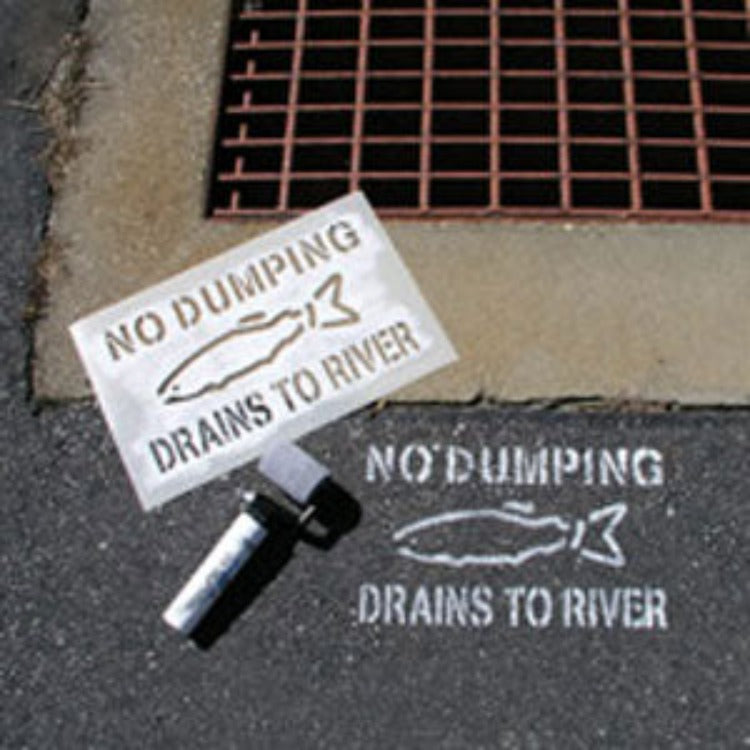
A stencil is a thin piece of plastic film or other impervious
material with cut out design areas. It is placed flat against
the surface to be stenciled allowing paint to pass through the
cut out areas. The Stencil Ease system lets both the beginner
and experienced user the ability to stencil beautiful designs. |
2. What is the difference between white and black bristled brushes?
Both type brushes are made from the same high quality, China
bristles. The only difference is that bleaching black bristles
produces the white color. Bristle color is purely a matter of
personal preference. When choosing Stencil Ease brushes, model
numbers starting with THB
have black bristles and model numbers starting with THW
have white bristles. |
3. What size brush should I use?
Stencil Ease offers brushes in all of the most popular sizes.
Our long handled brushes come in sizes 0 (3/16") to 12
(5/8"). Our short handled brushes are available in three
sizes: 1/2", 5/8" and 1". In general, the size
of the brush used depends on the size of the design area being
filled in. If the design has large cutouts, larger brushes would
be the appropriate choice. If the design has small cutouts,
a smaller brush would be more suitable. If a brush is too large
for an area being stenciled, shading becomes difficutl. If a
brush is too small for an area, stenciling will take a longer
amount of time.
Stencil ease's 2-in-1 Double Ended Stencil Brushes are great
choices. They make stenciling go faster and are very versatile.
As an all around handy brush, the TT10068
with a size 6 (3/8") brush on one side and a sze 8 (7/16")
brush on the other is very compatible with both large and small
design areas. If very small designs are your choice, then our
TT10024 brush with a
size 2 (1/4") brush on one side and size 4 (5/16")
brush ont the other would be a good choice. |
4. How many brushes will I need for my stenciling project?
In general, you will need one brush for each color used. This
is the most efficient and fastest way to stencil. However, if
you are short on brushes, you will need to thoroughly cleand
and thoroughly dry a brush before using it with a different
color paint. Once an overlay is on the wall, all colors required
for painting and shading that print should be used before the
overlay is removed to prevent registration problems.
If stenciling a border design, it is okay to go around the room
with the first overlay and all of its required colors. Clean
you brushes thoroughly. When the brushes are thoroughly dry,
you can go around the room with the next overlay, etc. |
5. How do I clean my brushes?
The method used to clean your brushes depends on the type of
paint used. In all cases, after completing a project for the
day, clean and dry them carefully to maintain their fine quality.
Our oil based, Spill
Proof® paint has a long drying time. It therefore stays
pliable on your brushes throughtout the day while stenciling.
Brushes can be wrapped in plastic wrap or be placed in a plastic
bag to allow for breaks in painting. Although excess paint will
not likely collect, it may be periodically wiped off using a
dry paper towel. At the end of the day, brushes need to be cleaned
with a brush cleaner or hot water and dish detergent. The brush
cleaner and preserver used by our staff at Stencil Ease is the
brand "The Masters" which can be purchased in art
supply stores. Put soap directly on the bristles and clean brushes
thoroughly until the rinse water runs clear. As another option,
mineral spirits (or turpentine) may be used. Fill a small glass
jar, metal can, or plastic container with enough mineral spirits
to totally immerse the bristles. Work the mineral spirits through
the bristles by pressing the brush against the bottom and/or
side of the container repeatedly. Make sure to remove the paint
from the center of the brushes as well as from the outside edges.
Once clean, rinse in a clean container of mineral spirits. Rinse
until no color comes our of the brustles. As a final step, wash
the brush with warm water and a mild detergent applied directly
to the bristles. Rinse thoroughly and shake the brushes to remove
as much water as possible. Shape the bristles with your fingertips
and allow to thoroughly air dry. Store you dried brushes on
their side or bristle end up in a cup or similar type container.
Our oil based, Japan paint
contains a drying agent, which tends to dry on the brush
if exposed to air over a period of time. To discourage this,
when not using a brush with paint on it, wrap it in plastic
wrap or place it in a plastic bag. During use, if the brush
becomes a bit stiff with paint, briefly dip it in a container
of mineral spirits. Blot very well with a paper towel remembering
to be gentle on the bristles. You may then resume stenciling
with the same color. At the end of the day or when changing
colors, clean your brushes with mineral spirits and dry them
as described above.
Water based paints may be cleaned as described above but water
and a mild detergent would be used in place of mineral spirits. |
|
|